


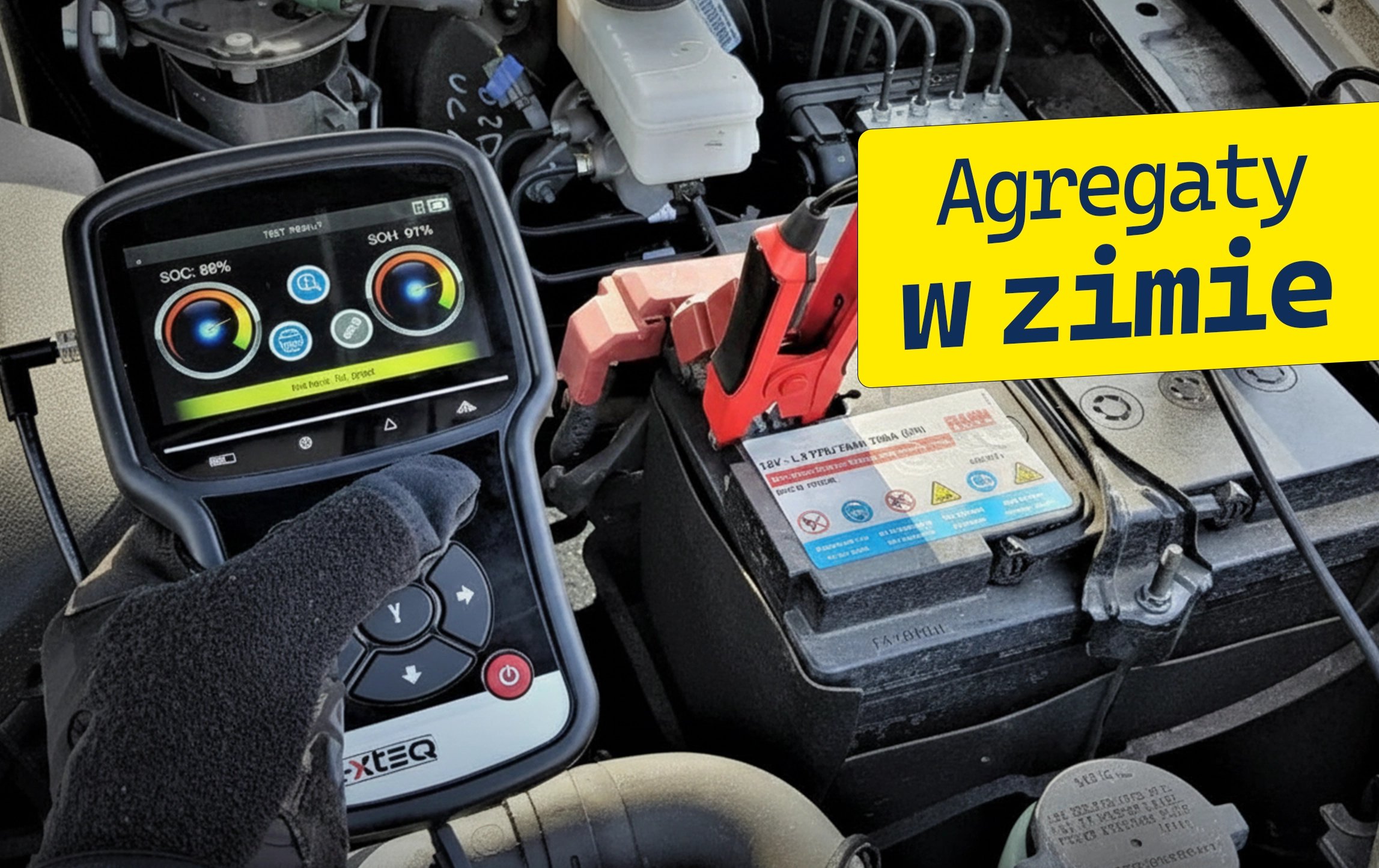
The theory that all engines, especially diesel ones, are hard to start in freezing temperatures is very popular, but not always true. The fact is that frost can negatively affect the engine's ability to start. However, this is not caused solely by the presence of low temperatures, but largely by user neglect in terms of engine operation and maintenance.
The theory that all engines, especially diesel ones, are difficult to start in freezing temperatures is very popular, but not always true. The fact is that frost can negatively affect the engine’s ability to start. However, this is not caused solely by low temperatures, but largely by user neglect in terms of engine operation and maintenance.
Causes of difficulties starting a generator in winter.
|

Another system that can fail during frost is the fuel system. Here the fault usually lies with the user, as the most common cause is a dirty fuel filter. If not replaced for years, it may even form an ice plug that effectively prevents the engine from starting. In our conditions, this filter should be replaced at least once a year. In modern diesel engines, fuel filters have water separators with a drain plug, which must absolutely be emptied in the autumn. Otherwise, with severe frost, a failure is guaranteed.
Finally, something must be said about the fuel itself. Fortunately, reputable fuel stations already offer good-quality products, and many failures can be avoided by filling up with good fuel. In winter, it is also possible to use special fuels dedicated to operation at low temperatures, or consider adding specially prepared additives that lower the freezing point of fuel. These additives are called anti-gel agents.

|
Another failure that may occur is the lack of engine preheating, which is related to a faulty glow plug system or engine block heater. In the case of glow plugs, it is difficult to detect that they are faulty. Additionally, unscrewing them poses a risk of breaking, which is why users are reluctant to check them. The problem with diagnosis is also due to the fact that even if only some glow plugs are working, e.g. 2 out of 4, the engine may still start, so the fault cannot be easily identified. However, most generator manufacturers are moving away from glow plugs and replacing them with engine block heaters. They serve the same function by raising the engine block temperature, making starting easier even at -35oC. Failures of the heater itself are easier to diagnose. |
In conclusion, the most important thing is to maintain and inspect power generators according to the manual’s guidelines. If we follow all the recommendations and keep up with regular maintenance, we can be almost certain that the device will work reliably and start as expected in winter.
Contact us!

Damian Bartosiak
Responsible for service support of generator sets, diagnostics, inspections, and maintaining equipment readiness for business and institutional customers.
