

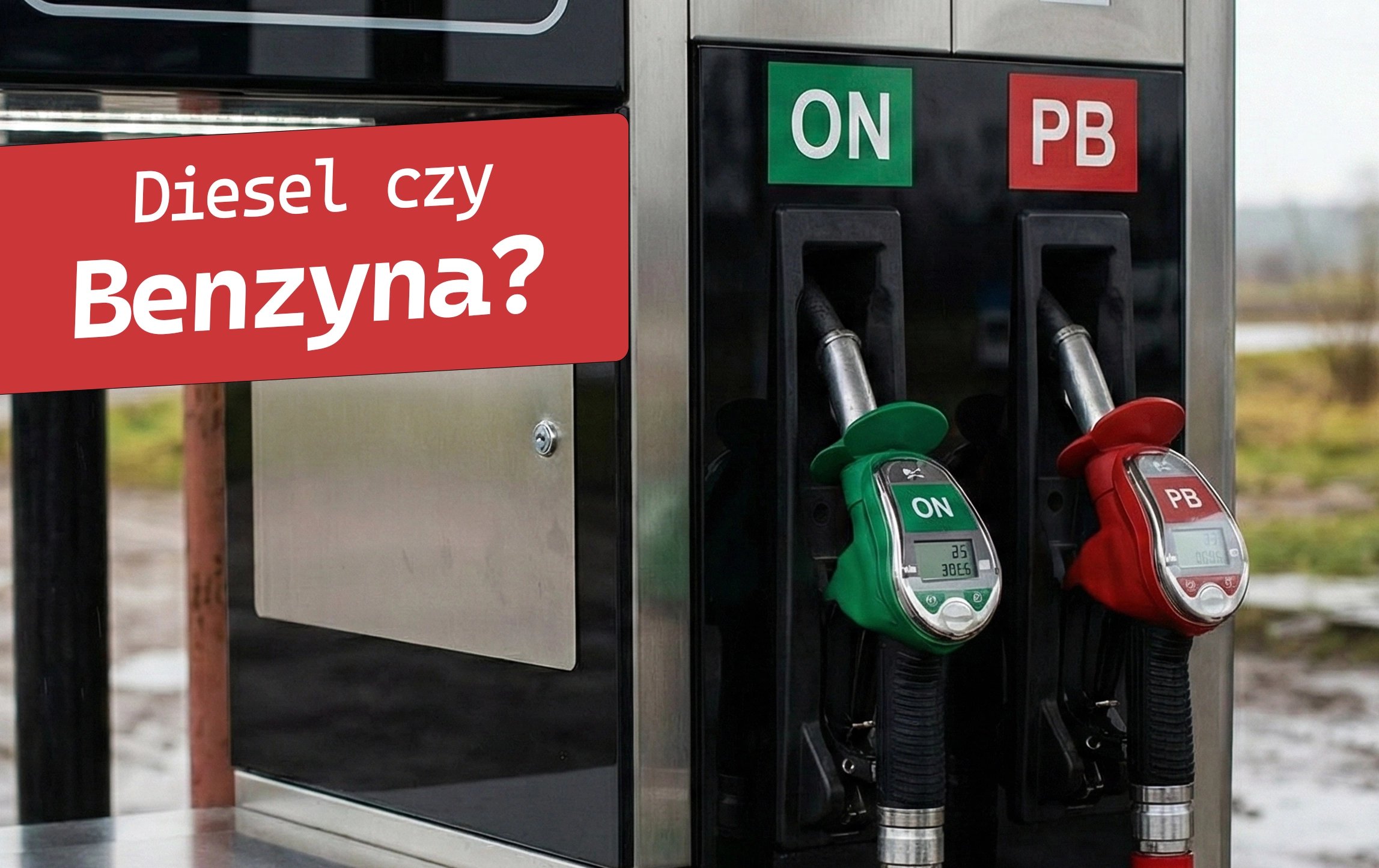
Power generators have engines powered by different fuels: Gasoline, Diesel, Gas.
Which one to choose?
Power generators have engines powered by different fuels: Gasoline, Diesel, Gas.
Types of fuels in generators
DieselThe most popular fuel on the market for powering generators is diesel, used in diesel-powered generators. This fuel is characterized by easy market availability, the possibility of relatively long storage, and relatively low consumption during operation to produce electricity. The purchase cost of a diesel-powered generator is higher than that of gasoline-powered ones. However, the amount of fuel needed for one operating hour can be much more satisfactory. Additionally, an important advantage is that diesel fuel is relatively stable and, contrary to appearances, not so easy to ignite. This is of great importance in the context of storage safety. |
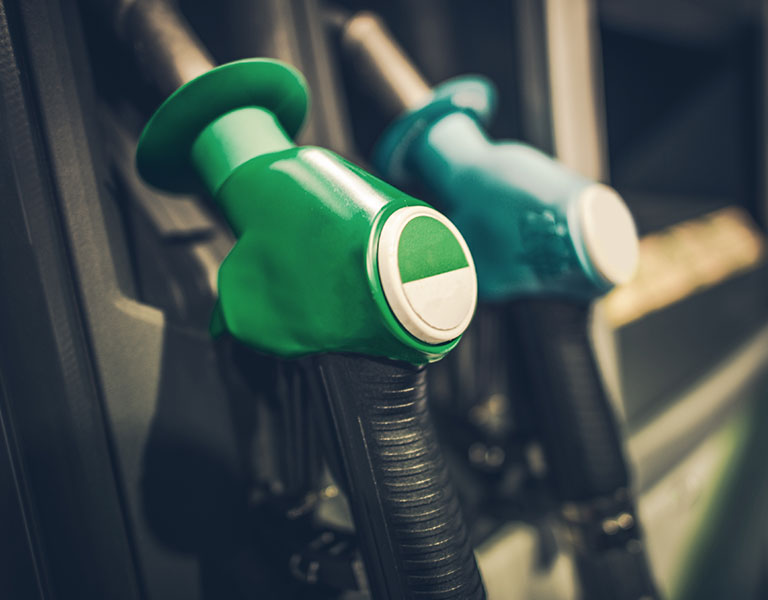
GasolineThe second most popular fuel for powering generators is gasoline, used in gasoline-powered units. This fuel is typically used for powering relatively low-power devices, mostly as an emergency power source in single-family homes or for powering power tools used by renovation and construction teams. The purchase cost of gasoline-powered generators is significantly lower. |
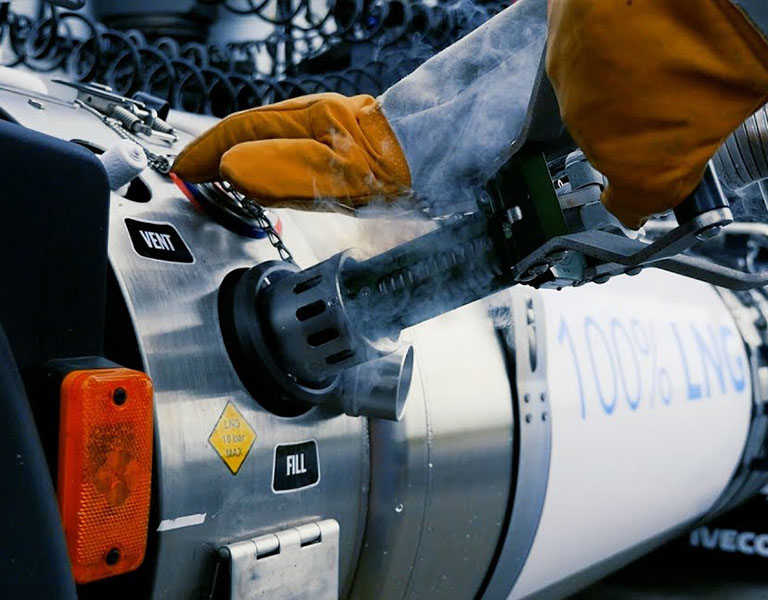
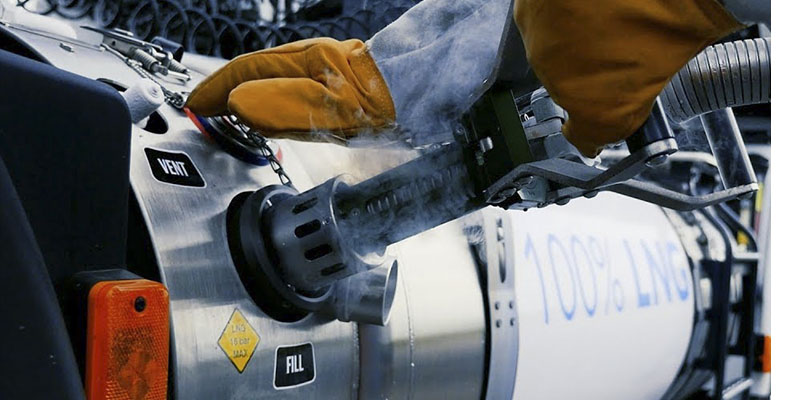
GasAnother type of fuel is gas. This can be natural gas (CNG), common LPG (propane-butane), or biogas obtained from processing various components. A gas-powered generator will be the most expensive option, but the cost of fuel is the lowest. Another extremely important aspect is that it is the most environmentally friendly option. However, care must be taken regarding the composition of the gas itself and the pressure at which it is supplied. |
As shown in the above analysis, each solution has its pros and cons. We encourage you to contact our technical and sales advisors, who, taking into account the individual needs and expectations of the client, will help you choose the most optimal solution.
Contact us!

Damian Bartosiak
Responsible for service support of generator sets, diagnostics, inspections, and maintaining equipment readiness for business and institutional customers.
