


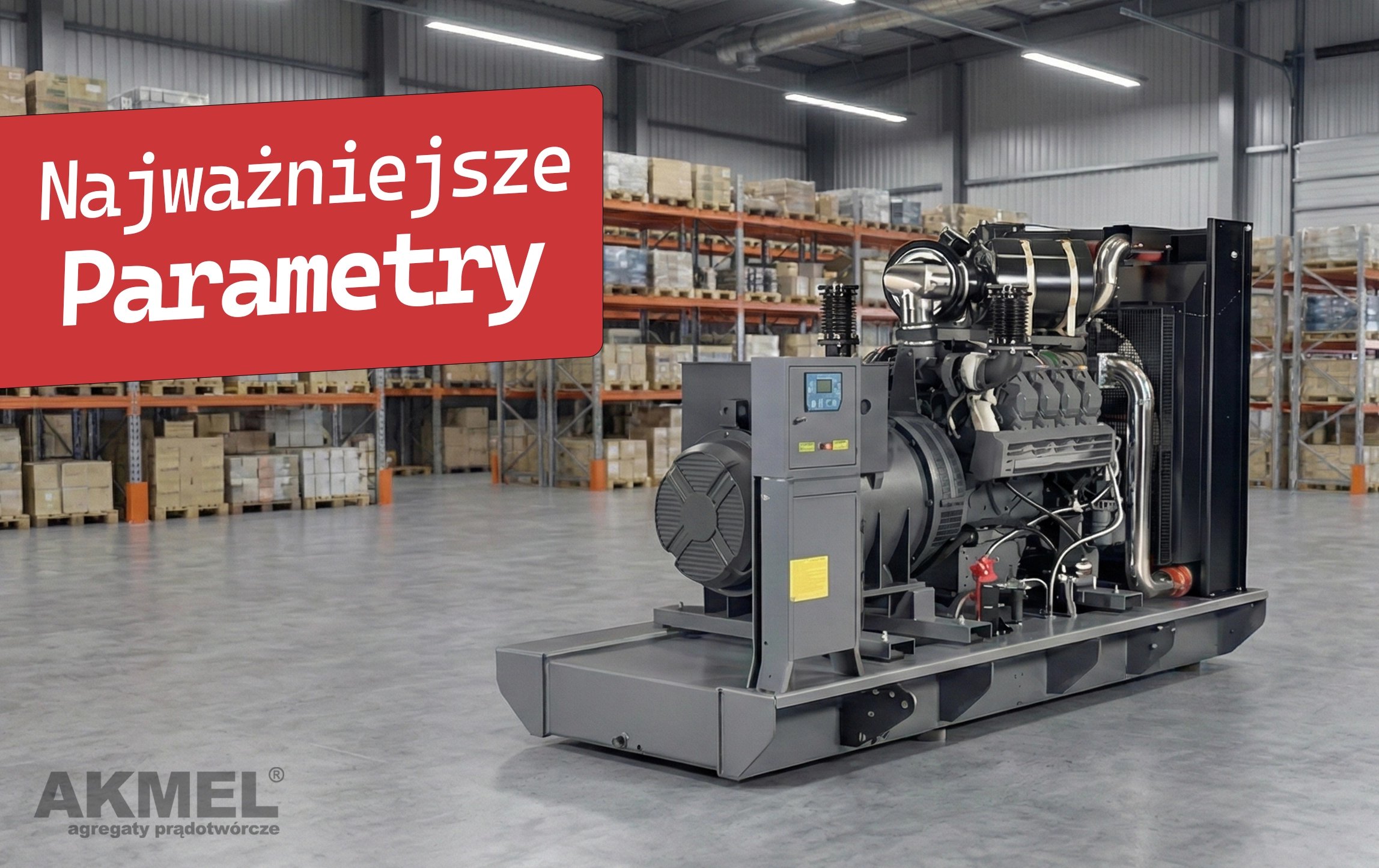
Power generators are devices used both in private homes, companies, and public facilities that provide access to electricity in the event of a power grid failure. What are the most important parameters of power generators?
Electrical parameters of a power generator
A power generator is designed to convert the energy produced from fuel combustion into electricity that can be used to power devices in businesses or households. Depending on the selected model, such equipment can generate different levels of power. The most important electrical parameters of power generators include:
- type of alternator,
- output voltage and frequency,
- maximum power of the unit,
- power factor,
- maximum current,
- degree of protection.
It is also extremely important to pay attention to who manufactured the device. In many cases, the choice of the right brand determines whether the generator will serve its purpose properly for many years.
The power of a generator is one of its most important technical parameters – it determines whether the unit can supply all the machines used in a building. The generator’s power should exceed the required capacity needed to power essential devices. This ensures access to electricity even under heavy load, which is particularly crucial in medical facilities. In such places, it is often impossible to limit the number of devices that must remain connected to power, even during a power grid failure.
Technical parameters of the combustion drive system
A power generator also consists of components responsible for burning fuel – diesel, gasoline, or gas. As far as these elements are concerned, the following technical parameters are worth noting:
- engine type,
- engine model,
- displacement and maximum power,
- type of fuel used,
- fuel tank capacity,
- fuel consumption per hour at 100% load,
- type of starting system.
Many users care about keeping operating costs as low as possible. Gasoline engines are the most expensive to maintain, while gas-powered models turn out to be the cheapest. However, it must be remembered that the purchase prices of different generator types vary significantly. Gas models are usually much more expensive than gasoline ones, but if the generator is used as the main power source, the investment pays off quickly.
Physical parameters of power generators
Generators differ not only in the parameters of their components. When choosing the right model, many people also consider features such as dimensions and weight. Standard and optional equipment is also important. Most generators are equipped with standard sockets into which any device can be directly plugged.
Another important factor for many users is how quietly the engine runs. This is particularly important when the generator is located near residential buildings or when the device lacks an external casing and can only be used indoors.
Operating requirement classes of generating sets
Emergency power must be properly matched to the type of devices that will be connected to it. Several operational requirement classes are distinguished:
- G1 – for loads with basic voltage and frequency requirements, such as lighting and heating devices,
- G2 – for loads powered under voltage characteristics similar to standard grid conditions, such as lighting systems, lifts, and fan pumps,
- G3 – for loads with increased requirements regarding voltage, frequency, and distortion levels, e.g., telecommunications equipment and receivers with thyristor controllers,
- G4 – for loads with high requirements regarding frequency, voltage, and distortion levels, such as computer systems and sensitive electrical equipment.
Generator safety features
Devices that provide emergency electricity should also be equipped with a range of protections against fire, overheating, or harmful emissions. Diesel, gasoline, or gas generators must have special markings and certificates confirming the safety of their use, as these devices undergo numerous tests.
The operating conditions of the unit must always comply with the markings on the generator. Some models cannot be used outdoors – they require a properly prepared environment in an enclosed space. The manufacturer always specifies the conditions under which the generator should be used to prevent overheating and avoid risks, for example, to workers.

Piotr Dzieciuch
Content prepared based on AKMEL’s experience in the sale, service, rental, and implementation of emergency power supply systems for companies, industry, and institutions.
