


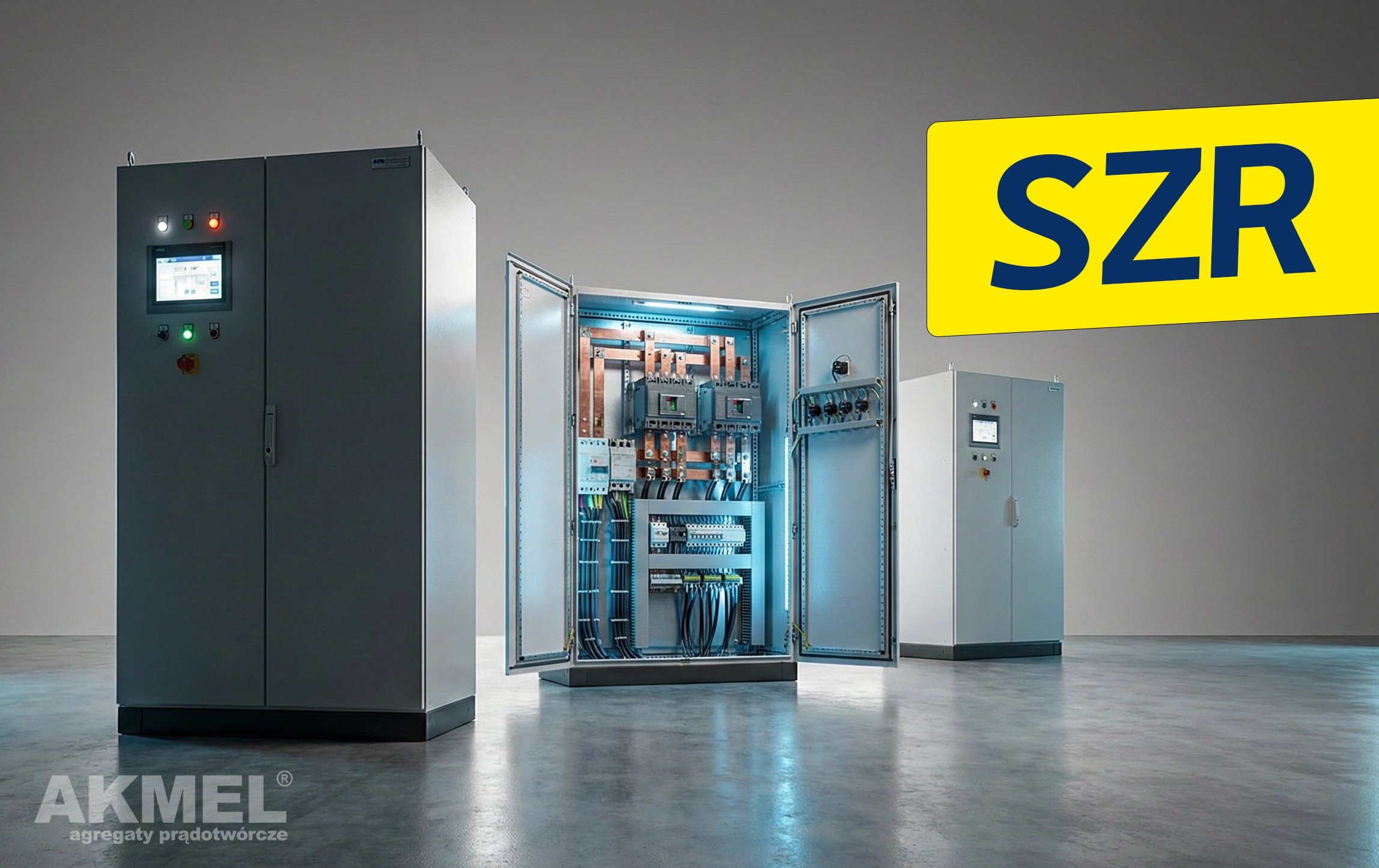
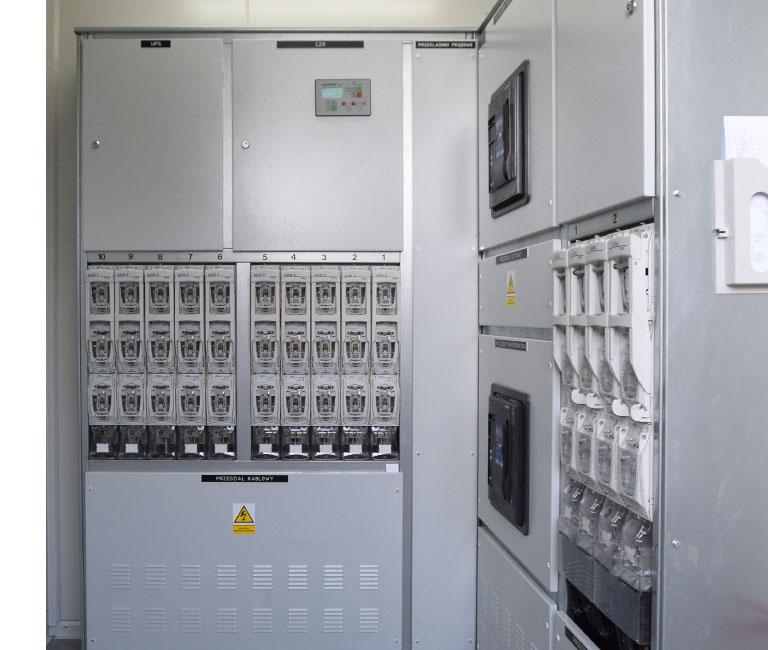
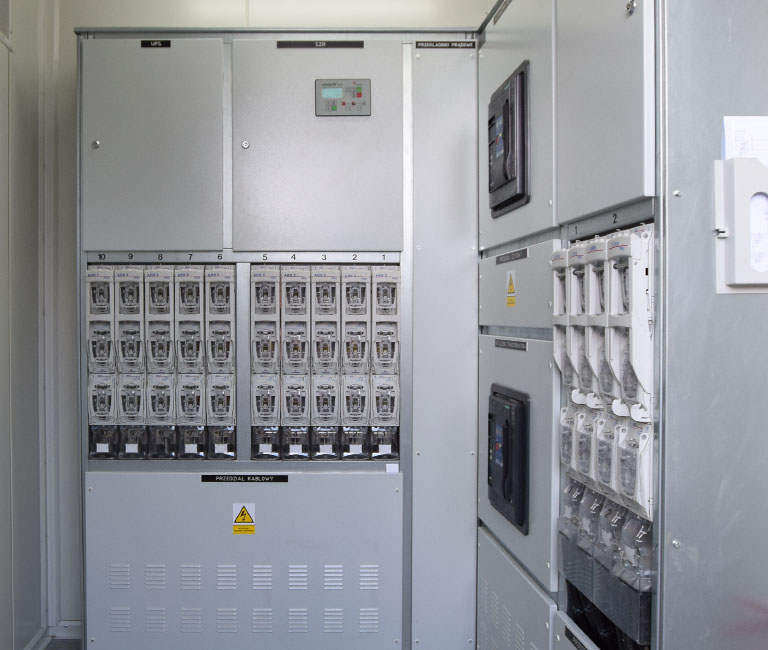
The task of the Automatic Transfer Switch system (ATS) is to automatically start the generator when the mains power goes out. It is a cabinet with contactors, disconnectors, or a switch that works with the generator by cutting off the mains supply and delivering generator voltage to the facility.
The task of the Automatic Transfer Switch system (ATS) is to automatically start the power generator when the mains supply fails. It is a cabinet with a system of contactors, disconnectors, or a switch that cooperates with the generator, cutting off the power from the grid and supplying the facility with voltage from the generator.
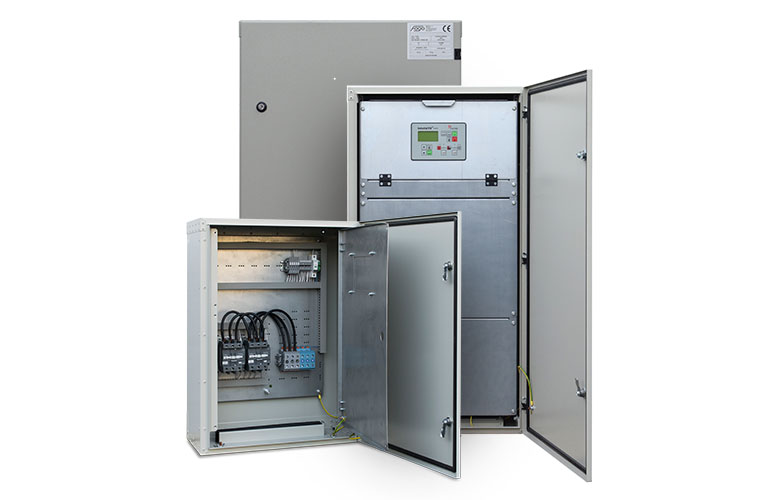
Types of ATS cabinetsATS cabinets can be divided according to the type of apparatus used, as well as the type of generator being operated. For gasoline engines, ATS performs slightly different functions than for diesel-powered generators, as starting a carburetor engine requires additional actions, such as operating the choke actuator. In the case of industrial generators with diesel engines, the task of the ATS cabinet may be limited to sending a start/stop signal to the generator controller. In simplified versions, even the controllers installed in the generators themselves are capable of managing the devices installed in ATS cabinets. |
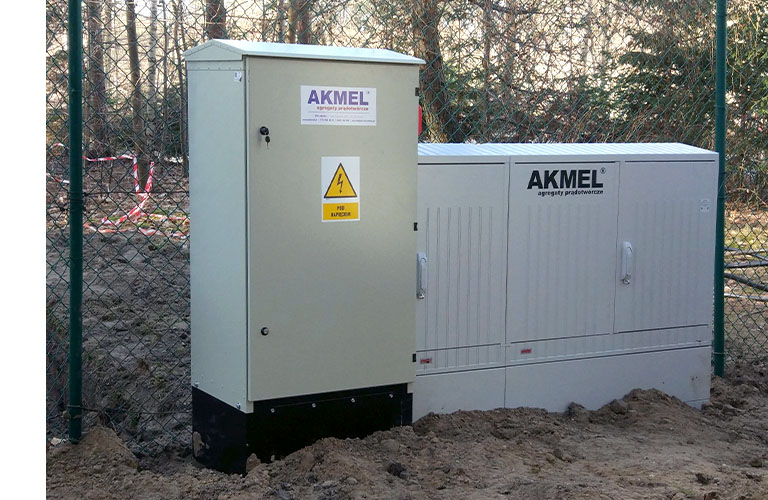
Application of the ATS systemATS cabinets are used in facilities where immediate supply of voltage from the generator to the loads is required. In enterprises or public utility buildings, complex ATS systems are often used to continuously monitor the grid. These systems can be tailored to the user’s needs by setting the parameters under which the backup system will activate or shut down. On the other hand, in places such as single-family homes, where the user wants to install an automation system with an ATS cabinet, there is no need to invest in complex solutions. A simple system is enough to monitor power loss and return, as well as to control the generator according to the situation. |
Principle of ATS operationBoth in simplified and advanced versions, the principle of ATS automation is the same. The system monitors the mains supply and detects power failure or, optionally, inappropriate voltage values. This triggers disconnection of the mains power and sending a start signal to the generator. Each ATS cabinet has a programmed delay to avoid starting the generator during short power interruptions of a few seconds. This usually ranges around 15 seconds. After this time, the generator engine starts, and once the voltage stabilizes on the alternator, the generator supplies power to the loads. The entire process takes between 30 and 60 seconds, depending on the type of generator, its installation site, and sometimes weather conditions. During generator operation, the ATS cabinet continuously monitors the grid for power restoration. When power returns, the generator is disengaged, but the engine does not shut down immediately. Power is supplied from the grid, while the generator continues to run for about 2 minutes to confirm that the mains supply is stable. This prevents unnecessary shutdowns and restarts of the generator in the case of short-term returns of power. For turbocharged diesel engines, this also allows the turbine to stop smoothly and the engine to return to idle, positively affecting its lifespan. |
We encourage you to check out our range of ATS cabinets. Our sales department will be happy to help you choose the right device for your needs.
Contact us!

Jarosław Kozłowski
Content prepared based on AKMEL’s experience in the sale, service, rental, and implementation of emergency power supply systems for companies, industry, and institutions.
