



Most users believe that engine oil is used to “lubricate” the moving parts of the engine. This is, of course, true, but not the complete truth.
In both generators and cars, it is recommended to check the engine oil level before long-term operation. Every generator manual includes an oil level check before each engine start.
Most users believe that engine oil is used to “lubricate” the moving parts of the engine. This is of course true, but not the whole picture. Both in generators and cars, it is recommended to check the engine oil level before long-term operation. Every generator manual includes checking the oil level before each engine start.
The responsibility of oil.
What else is oil responsible for?First and foremost, cooling the engine. The aspect of engine cooling by oil is very important in every power generator. This is especially crucial in small air-cooled engines. Unfortunately, these are the generators most often neglected by users. Small home generators, sometimes working on construction sites, are often overlooked in maintenance planning by users. This leads to engine overheating and failures. Another important function is keeping the engine clean. Every oil contains cleaning compounds responsible for this process. Their level is similar for oils intended for both gasoline and diesel engines. The oil flushes out combustion by-products that enter the oil during operation. This mainly concerns acidic residues of fuel combustion, which can cause engine corrosion. Engine oils also fight moisture, which enters the engine through the air. This is especially noticeable in winter when condensation builds up inside a cold engine right after start-up. High-quality oil contains emulsifiers that first bind the water and, once the engine warms up, allow it to evaporate. Unfortunately, in extreme winter conditions and during short operation of a cold engine, both emulsifiers and demulsifiers contained in the oil may not cope with the water, leading to sludge and carbon deposits. That is why an important element of a generator is the engine block heater, which helps avoid running the engine cold. Finally, let’s return to the basic function of oil, which is lubrication. The longer oil is used, the more its properties in this regard diminish. Oil viscosity decreases. Synthetic oils, which contain a more stable base, are more resistant to these changes. |
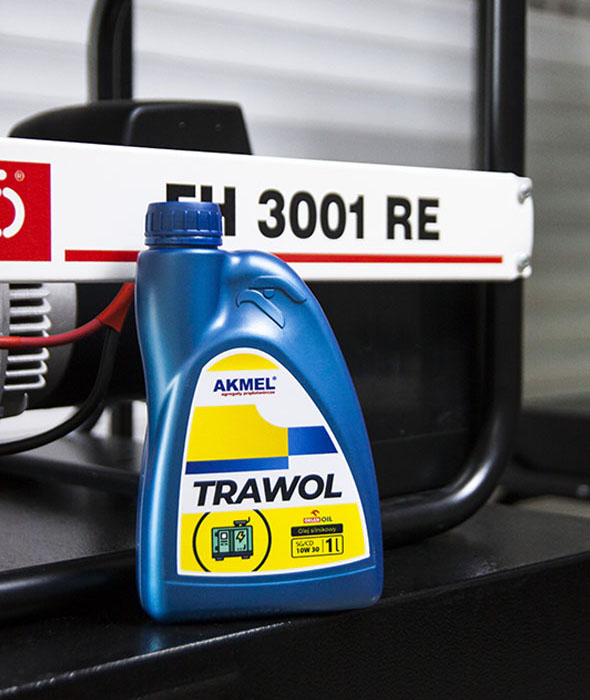
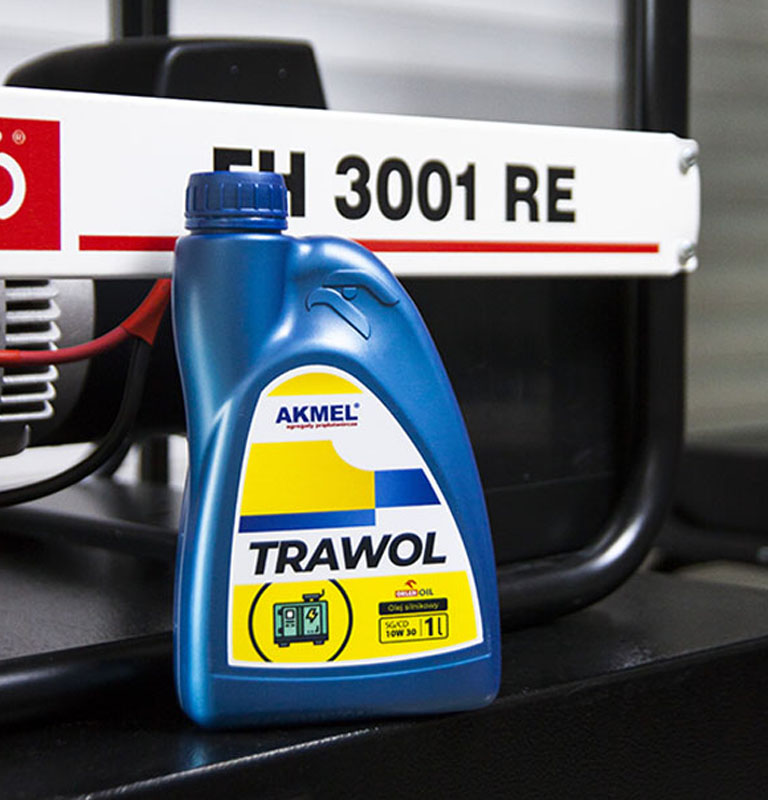
Worst-case scenario – what happens if the oil is not replaced
The generator engine will be less protected. This will manifest as reduced viscosity, increased alkalinity, and a general decline in oil’s resistance to shear. Even top-tier oils cannot maintain their properties indefinitely. Additionally, new engine designs operate at higher pressures, which affects engine wear.
It is absolutely necessary to follow the oil replacement intervals suggested in the generator manual. Modern industrial devices themselves notify the user when it is time to change the oil.
We recommend contacting our service department, which will gladly assist you with generator servicing. Our service offering includes both simple oil changes and full maintenance inspections for most engine brands.
Contact us!

Damian Bartosiak
Responsible for service support of generator sets, diagnostics, inspections, and maintaining equipment readiness for business and institutional customers.
