


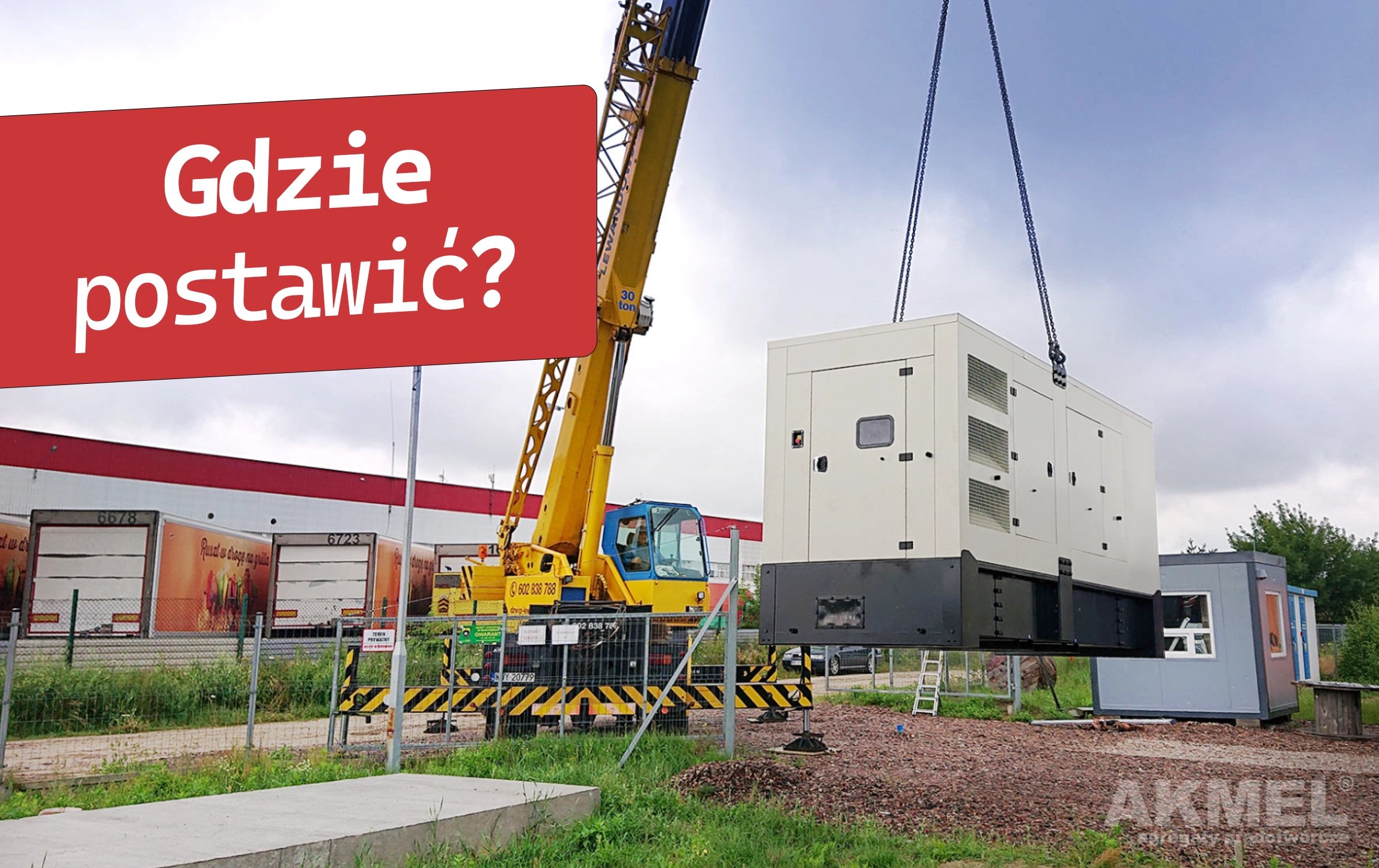
Power generators are used as a backup power source in residential buildings, businesses, public facilities, and medical institutions. In larger facilities, stationary models are usually used. When is it possible to install such devices?
Power Generator and the Power Grid
A stationary power generator starts automatically. Such equipment is usually equipped with an automatic start system, which activates the unit in the event of a power outage in the main supply network. When the main supply returns, the generator stops working and the system switches back to the power grid.
The generator set cannot be connected directly to the power grid. Connection to the installation is only possible with the help of a qualified electrician who holds the proper permits issued by the relevant Energy District.
Regulations Related to Generator Installation
A power generator must be properly connected to the building’s electrical installation. The network must be equipped with special overcurrent protection and surge protection. The technical parameters of such solutions are regulated by applicable laws. After the connection is completed, measurements must be carried out. These include resistance and grounding tests.
If all tests and measurements are successful, the generator can be put into operation, but a representative of the power company should be present during the commissioning. Furthermore, if the device operates at a voltage of 0.4 V or higher, it is mandatory to carry out a trial start under conditions specified in the technical documentation.
Where Can Power Generators Be Installed?
The installation of a power generator must comply with current regulations. Such a device cannot be installed just anywhere. It cannot be placed under trees or near objects that could easily catch fire. If the generator is placed against a wall, the minimum distance should be 1.5 m – this ensures free space, improving both safety and ease of operation.
Generators should not be installed on soft or uneven ground. They are usually mounted on a leveled foundation slab or a fixed foundation. The device should be anchored to the surface with the appropriate mounting elements.
Installation is also not possible in places where leaks occur or where there is no effective exhaust removal – it must be remembered that during operation, devices in the backup electrical supply system generate harmful substances. For this reason, generators are usually installed outside the building. Their location must be chosen so that the noise generated does not disturb neighboring property owners.
Installation of Indoor Power Generators
There are also indoor generators that activate in case of a power outage. These devices are installed in specially adapted rooms. Such rooms must be equipped with efficient ventilation and kept inaccessible to unauthorized persons and animals. The room should also be well-lit, dry, and clean, and equipped with the necessary fire-fighting equipment.
The dimensions of the room are also extremely important. It must be large enough to allow easy access to the generator from all sides. No flammable materials or explosive gases should be stored inside.
The choice of space for installing a power generator should depend on the technical parameters of the device itself. Its dimensions and the method of connection to the electrical grid are key factors.
Power Generator Operation Program
When connecting a generator set to the building’s electrical installation, several factors must be considered. For this purpose, an operation program is prepared. It includes information such as:
- conditions for starting the device and the operating time specified by the manufacturer and user,
- characteristics of the powered receivers and their individual requirements for voltage and frequency,
- method of connecting the generator to the power grid and synchronization with the receivers,
- network connection system for operation under faults and in normal conditions,
- local requirements for fuel consumption,
- the amount of fuel and oil reserve that can be stored in the building.
This information should be updated at least once every three years. Over time, demand for specific voltage or frequency may change, for example, due to the replacement of old machines with newer models, company expansion, or the implementation of new operating methods.

Piotr Dzieciuch
On a daily basis, supports customers in selecting generator sets, analyzing facility requirements, and choosing emergency power supply solutions for companies, industry, and institutions.
